Protein Per Meal — Is There Really a 30g Cap? (2023 Evidence Review)
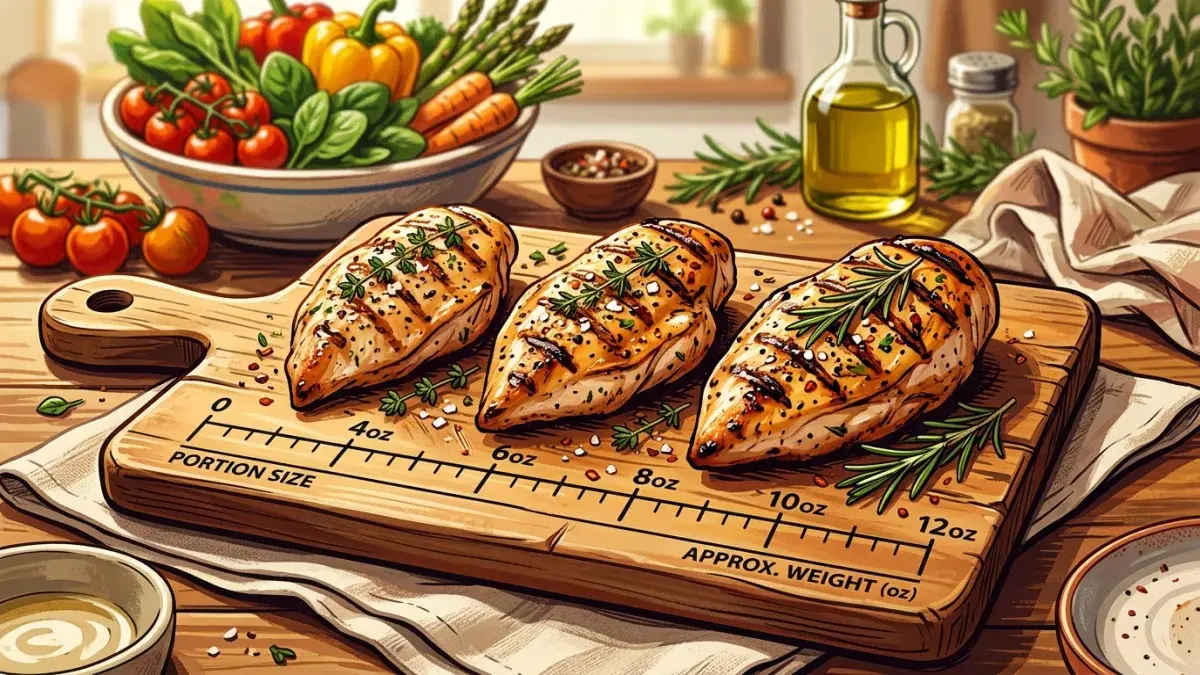
The “30 gram cap” on protein per meal has been a fixture of fitness advice for 15 years: eat more than 30 g and the excess is oxidized, wasted, or converted to fat. The simplification helped popularize protein distribution — but it is not what the physiology actually says. The 2023 Trommelen study at Maastricht University tested the largest single-meal protein dose ever measured and fundamentally updated the picture. Here is what it found, and what it means for your meal plan.
Where the 30g Cap Came From
The cap traces to two studies that dominated protein dose-response thinking for a decade:
- Moore et al. 2009 (PMID 19056590): Single-dose protein (egg protein: 0, 5, 10, 20, 40 g) after leg exercise. MPS saturated near 20 g, with 40 g driving small additional MPS and increased amino acid oxidation.
- Witard et al. 2014 (PMID 24257722): 0, 10, 20, 40 g whey after resistance exercise in young men. Similar saturation pattern at ~20-25 g.
These studies measured MPS over 3-4 hours post-ingestion. The conclusion — “about 20-25 g per meal saturates MPS” — was reasonable for that measurement window. But here is the problem: the MPS response to a large dose lasts longer than the MPS response to a small dose. If you only measure 3 hours, you capture the peak but miss the long tail. That is exactly what Trommelen 2023 set out to test.
The Trommelen 2023 100g Bolus Study
Trommelen et al., Cell Reports Medicine, 2023 (PMID 38118790) is the study that upended the 30g conversation. 36 recreationally active men performed a standardized leg workout and then consumed either 0 g, 25 g, or 100 g of milk protein. The team used labeled amino acid tracers to measure whole-body protein synthesis, breakdown, and oxidation for 12 full hours post-meal.
Results:
| Measurement | 25g group | 100g group |
|---|---|---|
| Peak plasma amino acid levels | Elevated 2-4 h | Elevated 4-8 h |
| Whole-body protein synthesis (12h) | Elevated | Higher and for longer |
| Myofibrillar muscle protein synthesis | Increased | Increased, similar peak |
| Amino acid oxidation | Minimal | Modestly increased but not 'wasted' |
The critical finding: the 100 g dose produced a longer MPS response and a larger total whole-body protein usage than the 25 g dose. Yes, some excess amino acids were oxidized — but the assumption that everything above 30 g is simply discarded as fuel was not borne out. The muscle continued using protein hours later.
This does not mean you should eat 100 g in one sitting and then nothing else. It means the per-meal cap is not a cliff. Bigger meals feed MPS for longer. Smaller meals feed MPS for shorter. Both work.
What the Meta-Analyses Say About Daily Distribution
Moving from single-meal to full-day patterns, the key paper is Schoenfeld and Aragon 2018, JISSN (PMID 29497353). They meta-analyzed protein-per-meal studies and concluded that to maximize daily MPS, aim for roughly 0.4 g/kg per meal across 4 evenly-spaced meals. For a 180 lb (82 kg) person, that is:
0.4 g/kg x 82 kg = ~33 g per meal x 4 meals = ~132 g/day total
That corresponds to roughly 1.6 g/kg/day, which is well aligned with the broader protein-for-hypertrophy consensus (Morton et al. 2018 meta-analysis, PMID 28698222). See the protein calculator to get your exact per-day target.
The Areta 2013 Pulse Study
Areta et al., Journal of Physiology, 2013 (PMID 23459753) directly compared protein distribution patterns. After resistance exercise, subjects ingested 80 g of whey over 12 hours in one of three patterns:
- Pulse (bolus): 2 x 40 g every 6 hours
- Intermediate: 4 x 20 g every 3 hours
- Pulse (small): 8 x 10 g every 1.5 hours
The 4 x 20 g intermediate pattern produced the highest 12-hour MPS. The 2 x 40 g pattern was second. The 8 x 10 g pattern was worst — too-small doses per meal failed to trigger adequate MPS spikes.
Practical takeaway: very small, very frequent protein doses (e.g., sipping protein every 90 minutes) are suboptimal. You need enough per-meal dose to meaningfully spike MPS each time.
Per-Meal Protein Targets by Body Size
Based on Moore 2015 (PMID 25293431) dose-response data adjusted for body mass:
| Body weight | Per-meal protein (young adults) | Per-meal protein (age 65+) |
|---|---|---|
| 130 lb / 59 kg | ~24 g | ~30 g |
| 150 lb / 68 kg | ~27 g | ~35 g |
| 170 lb / 77 kg | ~31 g | ~40 g |
| 190 lb / 86 kg | ~34 g | ~45 g |
| 210 lb / 95 kg | ~38 g | ~50 g |
Older adults need more protein per meal — not less — because of anabolic resistance. The 2013 PROT-AGE consensus (Bauer et al., PMID 23867520) recommends 1.0-1.2 g/kg/day total for healthy older adults, with an emphasis on hitting a meaningful per-meal dose rather than spreading protein too thin.
Plant vs Animal Protein Per Meal
Plant proteins (soy, pea, rice, hemp, wheat) have lower digestibility and lower leucine content than animal proteins. Van Vliet et al. 2015 review (PMID 26224750) documented the MPS gap.
Two practical workarounds:
- Eat 25-30% more plant protein per meal to equalize MPS (e.g., 40-45 g plant vs 30 g animal).
- Combine sources. Legumes + grains (e.g., rice and beans, hummus and pita) fill in the amino acid gaps.
- Consider leucine supplementation for mostly-plant diets — 2-3 g added leucine per meal closes much of the MPS gap.
How to Plan Your Day
Here is a realistic high-protein day for an 180 lb lifter at 1.6 g/kg/day (= ~130 g total):
| Meal | Food | Protein (g) |
|---|---|---|
| Breakfast | 3 eggs + 1 cup Greek yogurt + oatmeal | ~35 g |
| Lunch | 6 oz chicken breast + rice + vegetables | ~40 g |
| Snack/shake | 1 scoop whey + banana | ~25 g |
| Dinner | 6 oz salmon + sweet potato + side salad | ~35 g |
| Total | ~135 g |
Four meals of 25-40 g each, evenly spaced, hits Schoenfeld-Aragon's distribution recommendation and keeps the math simple. The macro calculator does the split automatically.
What About a Bedtime Protein Meal?
Pre-sleep protein specifically has a small additional benefit. Snijders et al. 2015 showed 40 g of casein before bed raised overnight MPS measurably. The combination with adequate sleep magnifies the effect. For lifters training hard, a bedtime casein shake is a cheap addition that does not displace other meals.
The Bottom Line
The 30g-per-meal cap is a useful approximation but not a physiological cliff. The Trommelen 2023 study showed that 100 g in a single sitting is productively used for many hours — your muscle is not as picky as the folklore suggests. For hypertrophy, target 0.3-0.4 g/kg per meal across 3-5 meals, or the simpler rule of roughly 25-40 g per meal for most adults. Total daily protein (1.6-2.2 g/kg for lifters) and training stimulus matter far more than the exact per-meal count. Older adults should lean toward the higher end of the per-meal range because of anabolic resistance.
Ready to compute your exact daily protein and calorie targets? Start with the TDEE calculator, then run the macro calculator. If food and fitness is part of a bigger cost-of-living picture for you, our partner site money.thicket.sh covers grocery-budget math.
Frequently Asked Questions
Build Your Per-Meal Protein Plan
Enter your weight and goal. The protein calculator returns your daily floor; the macro calculator gives you 4-meal splits.